Fiber Cement vs Vinyl vs Wood Siding in Gulf Coast Humidity
Humidity treats every siding material differently, and the honest comparison depends on what you are optimizing for.
September 6, 2026 · 3 min read
Siding takes a different kind of beating on the Gulf Coast than it does inland. It is not just rain and wind, it is sustained humidity for most of the year, which changes how different materials age and what actually fails first on each one.
Fiber cement: built for exactly this climate
Fiber cement siding, Hardie board being the best known version, holds up well in humid climates because it does not absorb moisture the way wood does and does not soften or warp under sustained heat the way some vinyl products can. It resists rot, will not attract termites the way wood siding can, and holds paint well over time. The trade-off is cost and installation labor. It is heavier and more labor intensive to install correctly than vinyl, and published starting ranges for siding projects run from $10,000 to $40,000 depending on the material chosen and the size of the home.
Vinyl: budget friendly, with real limits
Vinyl siding is the lower-cost option and installs faster, which keeps overall project cost down. In Gulf Coast heat and humidity, its main weaknesses show up over time: it can warp or buckle in sustained high heat if it is not installed with the correct expansion gaps, and it will fade under years of direct Texas sun more noticeably than fiber cement. For a homeowner prioritizing upfront cost over multi-decade performance, vinyl remains a reasonable choice, but it is worth understanding that trade-off going in rather than discovering it years later.
Wood: real character, real maintenance
Wood siding is the material most exposed to humidity's actual downside: moisture absorption leading to rot, and a much higher maintenance burden to prevent it, regular repainting or staining, careful attention to any spot where the finish has worn through and exposed bare wood. Homeowners who want the specific look of real wood siding can absolutely have it here, but it comes with an ongoing maintenance commitment that fiber cement and vinyl simply do not require to the same degree.
Brick and stone: a different category entirely
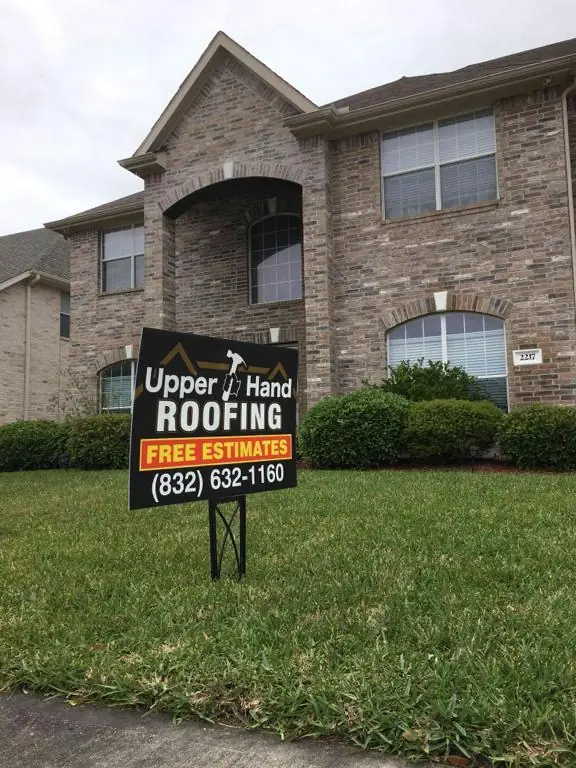
Brick and stone sit outside this comparison in a real sense, since they are masonry rather than a siding panel system, and they carry their own moisture considerations around the mortar joints and any weep holes built into the wall rather than around a panel surface. Where a home already has brick or stone on part of an elevation, matching new work to it, whether for an addition or a repair, is a specialized job in its own right, and it is one more option worth discussing during a siding consultation rather than assuming the choice is only between fiber cement, vinyl, and wood.
The detail that actually determines failure: what is behind the panel
Regardless of which material is on the outside, the moisture barrier and flashing behind the siding is what actually determines whether water gets into the wall assembly. Correct flashing around windows, doors, and any penetration through the siding, along with a properly installed weather-resistant barrier underneath the panels, matters more to long-term performance than the siding material itself. A beautiful fiber cement installation with poor flashing behind it will develop hidden moisture problems just as surely as cheap vinyl will, which is why the installation crew matters as much as the material you pick off a sample board.
Repairing a section without it looking patched
When only part of an elevation needs siding repair, whether from storm damage or age, matching the existing material, profile, and color closely enough that the repair does not read as an obvious patch takes real attention, especially with older siding that may no longer be manufactured in the exact same profile. This is one area where experience matters more than most homeowners expect going in: knowing which manufacturers still make a close match, and when it makes more sense to redo a full elevation rather than chase an imperfect patch.
Upper Hand Roofing & Construction installs all three of these siding types across League City and the surrounding Galveston, Harris, and Brazoria County area, and a free consultation is the fastest way to find out which one actually fits your house, your budget, and how long you plan to own it.
Upper Hand Roofing & Construction. (832) 632-1160
Call (832) 632-1160More articles
What Actually Happens During a Roof Tear-Off and Re-Roof
From the first pry bar to the last nail sweep, here is what a real re-roof looks like start to finish.
Storm Damage and Your Insurance Claim: The First 72 Hours
The decisions you make in the first three days after a storm affect whether your claim gets approved in full or gets picked apart.