Fencing
Fencing
Wood privacy fencing and metal ornamental fencing, set the way a fence has to be set this close to the coast. Every job starts with walking the line, not with a post hole digger.
Chapter 01
Post Depth And Setting For Coastal Wind
A privacy fence is a sail once the wind gets behind it, and the posts are the only thing holding that load. We set posts deep enough to resist that uplift and lateral push, with a concrete footing collar poured around each one rather than just backfilled dirt. Corner posts and gate posts carry more stress than a line post, so they get set deeper and often at a larger diameter.
On runs with taller privacy panels exposed to open yard or water, we tighten the post spacing rather than stretching it to save material. A fence that looks fine going up and racks or leans within a year almost always traces back to posts that were set too shallow or spaced too far apart for the wind load that section actually sees.
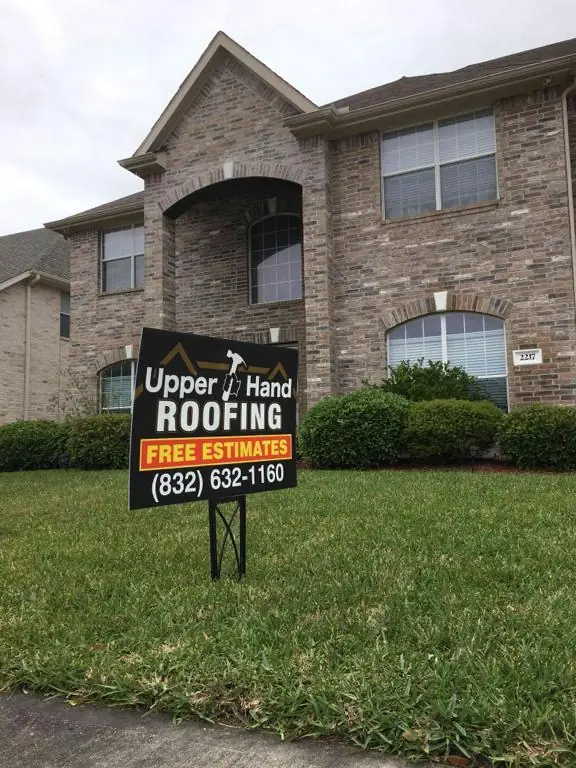
Upper Hand yard sign in front of a two story brick home
Wood Vs Metal Service Life Here
Wood fencing in this climate lives or dies at the ground line. Humidity and standing water around the base of an untreated or poorly treated post rot it from the bottom up long before the pickets themselves show any wear. We use treated lumber rated for ground contact at the post, and we talk through cedar against pine with you since the two age very differently once they've weathered.
Metal and aluminum ornamental fencing costs more up front but shrugs off the salt air and humidity that eat at wood and untreated steel. A powder coated aluminum fence doesn't need repainting or re-staining the way a wood fence does, which matters if you'd rather not think about the fence again for a long time.
Chapter 03
Gates, Hardware And Walking The Line First
Before a single post goes in the ground, we walk the property line with you. That catches the things that are expensive to fix after the fact: a line that doesn't match the survey, a utility line that needs a locate call first, or a low spot that'll pool water against a wood fence every time it rains.
Gates fail more often from hardware than from the wood or metal itself. We use heavy duty hinges sized to the gate's weight and self closing latches on anything near a pool or a busy street. A gate that sags almost always means the hinge or the post it's hung on gave way first, not that the gate itself was built wrong.
Upper Hand. Full service residential and commercial general contractor. Call (832) 632-1160.